

Written by
Jude Sarkar
Can Someone Hack Your PayPal? Protect Your Account
In today's fast-paced digital world, PayPal has become a popular platform for online payments, shopping, and business transactions. But with the rise in cybercrime, many users wonder: Can someone hack your PayPal account?
The short answer is yes. Account compromises can happen when attackers obtain login credentials through phishing, reused passwords, malware, or other account-security weaknesses rather than directly breaking PayPal's infrastructure.
At MicroSec®, we provide cybersecurity and remote tech support services to help individuals, families, and small businesses stay safer online.
This guide explains how PayPal accounts can be compromised, warning signs to watch for, and practical ways to protect your money and personal information.
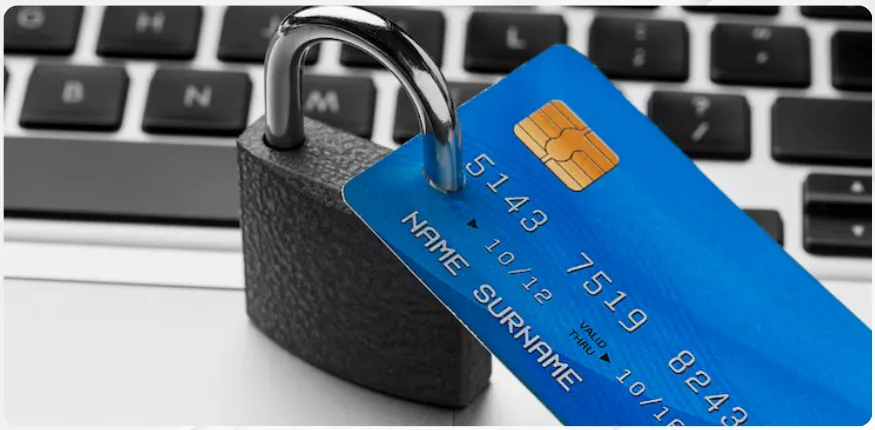
Can Your PayPal Get Hacked?
Yes, a PayPal account can be compromised, especially when an attacker obtains the account password, gains access to the associated email account, tricks the user with phishing, or infects a device with credential-stealing malware.
PayPal uses security controls such as encryption, fraud monitoring, and multi-factor authentication, but individual account security still depends heavily on the user's password, device security, and response to suspicious activity.
The Platform and the Account Are Different
A secure payment platform does not automatically prevent every individual account compromise. Phishing, stolen passwords, and malware can still expose a user's credentials.
How Do Hackers Break Into PayPal Accounts?
1. Phishing Emails and Fake Websites
Attackers may send emails, text messages, or fake security alerts that imitate PayPal and direct users to counterfeit login pages.
When someone enters their email address and password into the fake page, those credentials can be stolen.
2. Weak or Reused Passwords
If you reuse the same password across multiple websites and one of those services suffers a breach, attackers may try the exposed credentials on PayPal and other accounts.
3. Keyloggers and Malware
Credential-stealing malware can capture passwords, browser data, session information, or other sensitive information stored or typed on an infected device.
4. Unsafe Networks and Devices
Using an untrusted computer or unsecured network can increase your exposure to account theft, especially when the device itself is already compromised.
What Happens If Your PayPal Gets Hacked?
If someone gains unauthorized access to your PayPal account, they may attempt to misuse the account before you notice the compromise.
- Make unauthorized purchases or payments.
- Attempt to transfer or withdraw available funds.
- View information related to linked payment methods.
- Change the password or account security settings.
- Use the account to send fraudulent payments or messages.
- Attempt to lock the legitimate owner out of the account.
Act Quickly
If you believe your PayPal account has been compromised, review recent transactions, secure the account, and contact PayPal through its official support channels as soon as possible.
What Are the Warning Signs of a Hacked PayPal Account?
Watch for activity that you do not recognize or security changes you did not initiate.
- Login or security notifications you don't recognize.
- Unauthorized or suspicious transactions.
- Password reset emails you did not request.
- Difficulty signing into your account.
- Changes to account contact or recovery information.
- Unexpected messages about unusual activity.
If you notice one or more of these warning signs, secure the associated email account as well. An attacker with access to your email may be able to intercept security alerts or password reset messages.
Is PayPal Safe From Hackers?
PayPal uses multiple security technologies and fraud-prevention systems to protect its platform and users.
However, no online account is completely immune from phishing, credential theft, malware, social engineering, or password reuse.
Strong User Security Matters
A unique password, multi-factor authentication, updated devices, and careful handling of email links can significantly reduce your risk of account compromise.
How to Protect Your PayPal Account
A few strong security habits can significantly reduce the risk of unauthorized access to your PayPal account.
Use a Strong and Unique Password
Never reuse the same password on PayPal, email, social media, or other important accounts. Use a long, unique password that is hard to guess.
Enable Multi-Factor Authentication
Adding another verification step makes it much harder for someone to access your account using only a stolen password.
Monitor Account Activity
Review your transactions regularly and investigate payments, transfers, or login activity you do not recognize.
Avoid Unverified Links
Instead of signing in through unexpected emails or text messages, open PayPal directly through the official website or mobile app.
Use Trusted Devices
Avoid accessing sensitive payment accounts from public, shared, or unfamiliar computers.
Use Reliable Security Software
Antivirus and anti-malware protection can help identify credential-stealing malware and other threats.
Keep Everything Updated
Install Windows, browser, mobile app, and security updates regularly so known vulnerabilities are patched.
Protect the Email Account Connected to PayPal
Your email account is an important part of your PayPal security because password resets, account notifications, and security alerts may be sent there.
- Use a different password for your email and PayPal accounts.
- Enable multi-factor authentication on your email account.
- Review recent sign-ins and connected devices.
- Remove recovery methods you do not recognize.
- Watch for email forwarding rules you did not create.
Email Compromise Can Lead to Account Takeover
If an attacker controls your email account, changing only your PayPal password may not be enough. Secure the email account too.
Are Certain Locations at Higher Risk?
Online fraud occurs globally and is not limited to a particular city or country. Areas with large populations and high levels of online commerce may naturally see more reported fraud simply because more transactions occur there.
Your personal risk depends more on factors such as password reuse, phishing exposure, device security, account monitoring, and whether multi-factor authentication is enabled.
Frequently Asked Questions
Can someone hack your PayPal with just your email?
Knowing your email address alone is generally not enough to access your PayPal account. An attacker would usually also need your password, access to your email account, or another way to bypass account security.
Is PayPal safe from hackers?
PayPal uses security protections and fraud monitoring, but individual accounts can still be compromised through phishing, malware, password reuse, or email account theft.
What should I do if my PayPal account was hacked?
Change compromised passwords, secure the connected email account, enable multi-factor authentication, review transactions, and contact PayPal through its official support channels.
Can PayPal refund unauthorized transactions?
PayPal provides a process for reporting unauthorized activity. The outcome depends on the transaction, account eligibility, and PayPal's review.
Should I change my password after a phishing email?
If you entered credentials into a suspicious website, change the password immediately and review your account for unauthorized activity.
Should I secure my email account too?
Yes. Your email may be used for PayPal password resets and security notifications, so protecting both accounts is important.
Final Thoughts
So, can someone hack your PayPal account? Yes, account compromise is possible, but many incidents start with phishing, stolen credentials, malware, password reuse, or compromised email accounts rather than a direct attack against PayPal itself.
Using unique passwords, multi-factor authentication, updated devices, trusted security software, and careful account monitoring can significantly reduce the risk.
If you believe your computer or online accounts may have been compromised, MicroSec® can help diagnose device security problems, malware, browser threats, and other cybersecurity concerns through secure remote support.
Worried About a Compromised PayPal or Online Account?
If you've noticed suspicious sign-ins, unexpected transactions, phishing activity, malware, or unusual behavior on your computer, it is important to identify the cause before continuing to use sensitive financial accounts.
MicroSec® can help investigate Windows, browser, malware, and account security issues remotely and explain what steps may be needed to secure your device.
Written by Jude Sarkar
Founder & Cybersecurity Consultant at MicroSec®
Jude Sarkar is the founder of MicroSec®, a BBB Accredited and fully insured U.S.-based remote IT support and cybersecurity company. With over a decade of hands-on experience in malware removal, virus cleanup, and scam prevention, Jude helps homeowners, seniors, and small businesses stay safe online through trusted, human-first remote support.
For more information, please visit About MicroSec®.