

Written by
Jude Sarkar
What to Do When Your Tablet Stops Charging or Turns Off Unexpectedly
You plug in your tablet before bed, and by morning, it's still at 5% battery with no sign of charging. This frustrating scenario happens to thousands of tablet users every day, and the good news is that most charging problems have simple fixes you can try at home.
This tablet troubleshooting guide walks you through quick solutions that work, plus helps you know when it's time to call in remote support from services like MicroSec® for the trickier issues.
⚠️ Tried a different charger but your tablet still won't charge?
The problem may not be the charger at all. Battery failure, charging port damage, or internal hardware issues can all prevent a tablet from charging properly.
Before replacing the battery or buying a new tablet, it's worth identifying the actual cause first.
Need expert help?
If your tablet still won't charge after trying another charger or cable, our technicians can remotely diagnose software, charging, and power-related issues before you spend money on unnecessary repairs.
Why Isn’t My Tablet Charging Even When Plugged In?
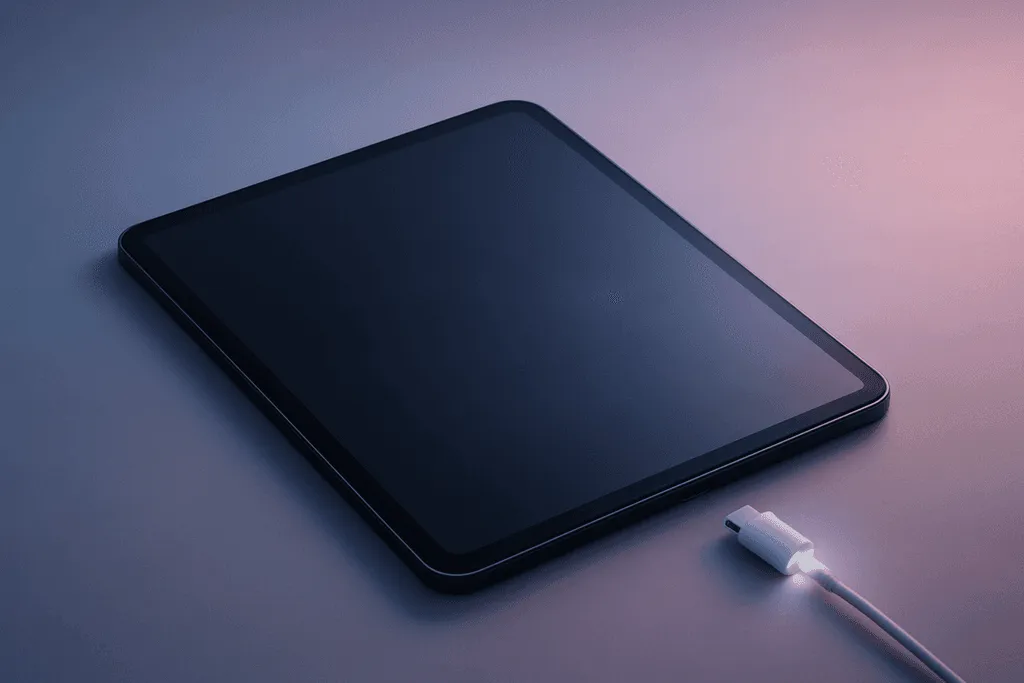
In 2026, tablet charging problems will no longer be limited to faulty cables. If you’re wondering why your tablet isn’t charging even though it’s plugged in, the issue is often related to software power management, battery protection features, or degraded charging ports.
Many tablets now slow or stop charging automatically when:
- The battery temperature rises.
- Background apps consume excessive power.
- The charging source is unstable.
This is why users often experience a situation where the tablet is charging, but the battery percentage does not increase, or the device appears stuck at the same level for a long time.
Why Is My Tablet Not Charging or Turning On?
Many people assume a charging problem is always caused by a dead battery. In reality, a tablet that won't charge and won't turn on may be experiencing a software crash, battery protection mode, overheating, or even hardware damage.
Before assuming the device has failed, try these steps:
- Perform a forced restart.
- Leave the tablet connected to a charger for at least 30 minutes.
- Try another charging cable and adapter.
- Inspect the charging port for debris or damage.
- Allow an overheated device to cool before charging again.
If your tablet still refuses to turn on, professional diagnosis may help determine whether the issue is software-related or hardware-related.
Still can't turn your tablet on?
If your tablet won't charge or power on after trying these basic steps, a professional diagnosis can help determine whether the issue is caused by software, battery management, or hardware.
👉 Learn More About Our Computer Support Service
Android Tablet Not Charging?
If you're using an Android tablet, charging issues may be caused by software settings rather than hardware.
Try the following:
- Restart the device.
- Install the latest Android updates.
- Disable battery optimization temporarily.
- Close apps consuming excessive power.
- Charge using the original charger whenever possible.
If the issue started after a recent update, software troubleshooting may be required before replacing the battery.
Still having trouble?
If your Android tablet still isn't charging after these fixes, MicroSec® can remotely diagnose software-related issues and help determine whether the problem is hardware or software.
Why Tablets Stop Charging or Shut Down
More than 60% of tablet owners will face a charging problem at some point during their device's life. It's one of those frustrating moments when you plug in your tablet before bed, wake up to use it, and find it completely dead.
The screen won't turn on, and you're left wondering if you need to buy a new device. But here's the thing: most charging problems aren't as serious as they seem, and many can be fixed without replacing your tablet.
What to Do When Your Tablet Won’t Charge After Software Updates
If your tablet won’t charge after a recent update, you’re not alone. Modern operating systems in 2026 apply aggressive battery optimization rules that can interfere with charging behavior.
When this happens, users often report:
- The tablet stops charging suddenly.
- The device charges only when powered off.
- The tablet refuses to charge with certain adapters.
This is not always a hardware failure. In many cases, recalibrating battery usage or correcting background power consumption restores normal charging behavior.
The Main Reasons Your Tablet Won't Charge
Tablets stop charging for different reasons. Identifying the likely cause is the first step toward choosing the correct solution.
Charging Port and Cable Damage
Physical damage to your charging port is one of the most common reasons tablets refuse to charge.
Every time you plug in your cable, tiny bits of lint, dust, and pocket debris can get pushed deeper into the port.
- Bent or broken pins inside the charging port.
- Lint and dust packed into the port opening.
- Loose charging port from repeated use.
- Damaged charging cable connectors.
Software and Battery Issues
Sometimes your tablet's hardware is working properly, but its operating system cannot correctly detect the charger or battery level.
- Operating system bugs preventing charge recognition.
- Battery calibration errors showing incorrect charge levels.
- Background apps consuming power while charging.
- Corrupted system files affecting power management.
After about 500 full charge cycles, many tablet batteries begin losing some of their ability to hold a complete charge.
Power Adapter Problems
A faulty wall charger or USB cable can appear normal while delivering insufficient or no power to your tablet.
- Broken or underpowered charging adapters.
- Frayed or damaged charging cables.
- Using the wrong wattage charger for the tablet model.
Environmental and Temperature Problems
Extreme temperatures can interfere with battery chemistry and cause the tablet to stop charging as a safety precaution.
If your tablet becomes too hot or too cold, let it return to room temperature before attempting to charge it again.
Quick Fixes You Can Try Right Now
Many tablet charging problems come from something simple like a dirty port, damaged cable, or weak power source.
Start by inspecting your charging port carefully. Use a flashlight to look inside. If you see debris, gently remove it with a wooden toothpick or a soft brush. Never use metal objects because they can damage the delicate pins.
- Try two different charging cables and adapters.
- Plug the charger into a different wall outlet.
- Test charging from another compatible power source.
- Inspect the cable near both connectors for damage.
- Check whether the charging port feels loose or wobbly.
- Perform a forced restart of the tablet.
For most tablets, holding the power button for approximately 10–15 seconds can force the device to restart and clear a temporary software problem.
Try charging in a completely different location to rule out a faulty power strip, wall outlet, or low-powered USB port.
| Problem | Possible Cause | What to Try First |
|---|---|---|
| Tablet won't charge | Faulty cable or charger | Try another compatible charger and cable. |
| Tablet not charging when plugged in | Dirty or damaged charging port | Inspect and carefully clean the charging port. |
| Battery percentage won't increase | Software or battery calibration problem | Restart the tablet and check for system updates. |
| Tablet won't turn on | Battery fully discharged | Charge for at least 30 minutes before restarting. |
| Tablet charges slowly | Low-power adapter | Use the original or recommended tablet charger. |
Still having trouble after trying these steps?
If you've tried different chargers, cleaned the charging port, and restarted your tablet but the problem continues, professional diagnosis can identify whether the issue is software, battery-related, or hardware-related.
Battery and Power Management Solutions
If the basic fixes didn't work, the problem might be hidden in your tablet's battery settings or software.
Battery calibration helps your tablet accurately determine how much charge it has. Allow the battery to drain until the device shuts off, then charge it to 100% without interruption.
- Temporarily disable power-saving mode.
- Check for apps consuming excessive battery power.
- Update the operating system.
- Review battery health information when available.
- Restart after changing power-management settings.
Social media apps, games, and streaming services can sometimes consume battery power faster than a low-powered charger can replace it.
What If Your Tablet Battery Is Not Charging?
If your tablet detects the charger but the battery percentage never increases, the issue may involve battery wear, charging circuitry, battery calibration, or software power management.
Before replacing the battery, try:
- Using the original charger.
- Restarting the tablet.
- Updating the operating system.
- Checking battery health if available.
- Testing another charging cable.
If the problem continues, professional diagnosis can help determine whether the battery itself requires replacement or whether another component is preventing proper charging.
Batteries don't last forever. Most tablet batteries start showing their age after 2-3 years of regular use. Signs of a failing battery include rapid percentage drops, the device shutting off unexpectedly, swelling or bulging of the tablet case, or the battery getting unusually hot during charging.
If you notice any of these symptoms, it's time to consider professional help because a failing battery can be dangerous.
Battery safety warning
Stop using the device and seek professional help if the battery is swollen, the tablet case is separating, or the device becomes extremely hot during charging.
Temperature matters more than most people realize. Charging in extreme cold or heat can prevent your tablet from accepting a charge at all.
Most tablets have built-in protection that stops charging if the battery gets too hot or too cold. Let your device return to room temperature before trying to charge it again.
When Professional Help Makes Sense
There's a point where DIY troubleshooting stops being helpful and starts wasting your time. If you've tried everything above and your tablet still won't charge, you're likely dealing with a hardware problem that needs expert diagnosis.
Internal charging circuits can fail, ports can break from repeated plugging and unplugging, and batteries can develop issues that aren't visible from the outside. Trying to fix these problems yourself can make things worse or even void your warranty if you still have one.
If you're also experiencing Windows errors, software problems, malware, or other issues affecting your computer, these symptoms may point to a broader system problem rather than your tablet alone. Our Computer Repair Service can remotely diagnose the underlying cause and help restore your system's performance.
Hardware damage requires specialized tools and knowledge to diagnose properly. A charging port might look fine but have broken solder connections inside. The charging circuit board could have failed components that only show up with proper testing equipment.
These aren't things you can fix with a YouTube video and good intentions.
- Physical damage to the charging port or cable connector.
- Water damage that affected internal components.
- Battery swelling or other safety concerns.
- Software issues that require specialized diagnostic tools.
- Persistent problems after trying all basic troubleshooting steps.
Time is another factor. If you need your tablet working today for work or school, spending hours troubleshooting isn't practical.
Professional remote support can diagnose software issues in minutes and walk you through fixes in real time. At MicroSec®, we handle tablet support remotely for clients across New York and nationwide, which means you get help without waiting for an appointment or driving anywhere.
The difference between DIY and professional support comes down to tools and experience. We use industry-standard diagnostic software that can identify problems you'd never spot on your own.
For software-related charging issues, remote support can often fix the problem while you watch. For hardware problems, we can tell you exactly what's wrong and whether repair or replacement makes more sense financially.
Prevention beats repair every time. Regular maintenance and monitoring catch problems before they become emergencies.
Simple things like keeping your charging port clean, avoiding cheap third-party chargers, and updating your operating system regularly can prevent most charging issues.
If you're dealing with similar device problems frequently, you might also find our guides on fixing frozen devices or troubleshooting slow performance helpful.
For seniors or anyone who finds technology frustrating, having a reliable support option makes all the difference. We've helped over 1,000 homes and businesses with these exact issues, and we also provide specialized support for seniors with patient, easy-to-follow guidance.
Sometimes, the peace of mind that comes from knowing help is just a phone call away is worth more than any DIY fix.
Tablet Turns Off Unexpectedly? Charging May Not Be the Real Problem
A tablet that turns off unexpectedly is often mistaken for a charging issue, but the root cause may be battery instability or power mismanagement.
Common signs include:
- The tablet shuts down with battery power remaining.
- The device powers off while charging.
- The tablet does not turn on after charging overnight.
In 2026 devices, battery health plays a bigger role than charge percentage alone. A battery can appear charged but fail to deliver consistent power, causing sudden shutdowns and startup failures.
Why Choose MicroSec®?
Wrap-Up
Most tablet charging problems aren't as scary as they seem. A dirty charging port, worn-out cable, faulty charger, or simple software glitch causes the majority of charging issues you'll encounter. The basic fixes covered in this guide—such as cleaning the charging port, trying a different charging cable, restarting your tablet, and checking for software updates—can often solve the problem without the need for costly repairs.
However, some charging problems run deeper than what you can safely fix on your own. If your tablet becomes extremely hot while charging, refuses to power on, shuts down unexpectedly, or the battery drains faster than it charges, these may indicate battery failure, charging circuit problems, or other hardware issues that require professional diagnosis.
The good news is that you don't need to pack up your tablet and visit a repair shop just to find out what's wrong. At MicroSec®, we provide remote tablet troubleshooting and computer support, allowing our technicians to diagnose software-related charging issues, guide you through advanced troubleshooting, and help determine whether your device actually requires hardware repair or battery replacement.
We also help customers resolve a wide range of device and Windows problems. If you're dealing with slow laptops or frozen computers in addition to tablet issues, our step-by-step guides can help you troubleshoot those problems as well.
Regular maintenance is the best way to prevent future charging problems. Keep your charging port clean, avoid low-quality third-party chargers, install operating system updates regularly, and replace worn or damaged charging cables before they fail completely. These simple habits can help extend your tablet's battery life and reduce the likelihood of unexpected charging issues.
Questions often come up about unusual charging behavior, battery percentage problems, or tablets that suddenly stop turning on. The frequently asked questions below answer many of the most common concerns users have when troubleshooting tablet charging problems.
Still Wondering Why Your Tablet Won't Charge?
If you've tried the troubleshooting steps in this guide and your tablet still won't charge or keeps turning off unexpectedly, professional diagnosis can help identify the real cause before you replace the battery or device.
Remote diagnosis. Fast support. Trusted by 1,000+ homes and businesses.
Schedule Remote Computer SupportFrequently Asked Questions
Why is my tablet not charging even when plugged in?
A faulty charging cable, damaged charging port, software issue, overheating, or battery protection feature can prevent charging even when the device is connected to power.
Why won't my tablet charge or turn on?
The battery may be completely discharged, the operating system may have crashed, or the device may have a hardware fault. A forced restart and a different charger are good first troubleshooting steps.
Can software updates stop a tablet from charging?
Yes. Occasionally, software updates introduce battery-management changes or temporary bugs that affect charging behavior until the device is restarted or updated again.
Should I replace the battery if my tablet won't charge?
Not necessarily. Charging issues are often caused by cables, charging ports, software, or power-management settings rather than the battery itself.
Why is my tablet not charging when plugged in?
The problem may be caused by a damaged cable, faulty charging port, insufficient power, overheating protection, or battery-management software.
How do I fix a tablet that won't charge?
Try another cable and adapter, inspect the charging port, perform a forced restart, and check for software updates. If the problem continues, professional diagnosis may be needed.
Written by Jude Sarkar
Founder & Cybersecurity Consultant at MicroSec®
Jude Sarkar is the founder of MicroSec®, a BBB Accredited and fully insured U.S.-based remote IT support and cybersecurity company. With over a decade of hands-on experience in malware removal, virus cleanup, and scam prevention, Jude helps homeowners, seniors, and small businesses stay safe online through trusted, human-first remote support.
For more information, please visit About MicroSec®.